
Meet the Speaker Session
Are you already registered for the GIMM Festival and want a chance to meet one of the speakers? Register for the “Meet the Speaker” session here.
These sessions are designed to encourage discussion, networking, and the exchange of ideas in small groups.
Registration closes on 10 September 2026.
Keynote Speakers
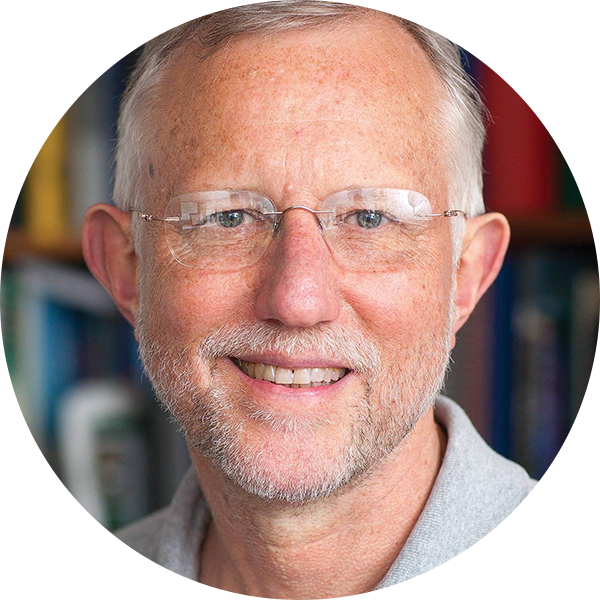
Rockefeller University
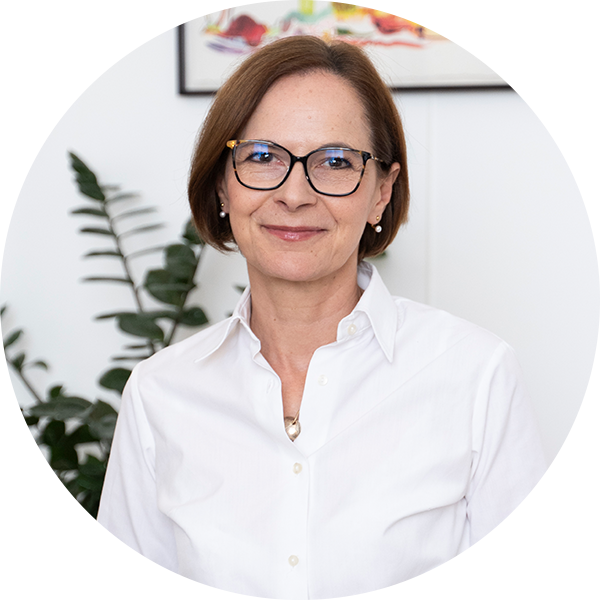
Institut Pasteur
Meet our Speakers
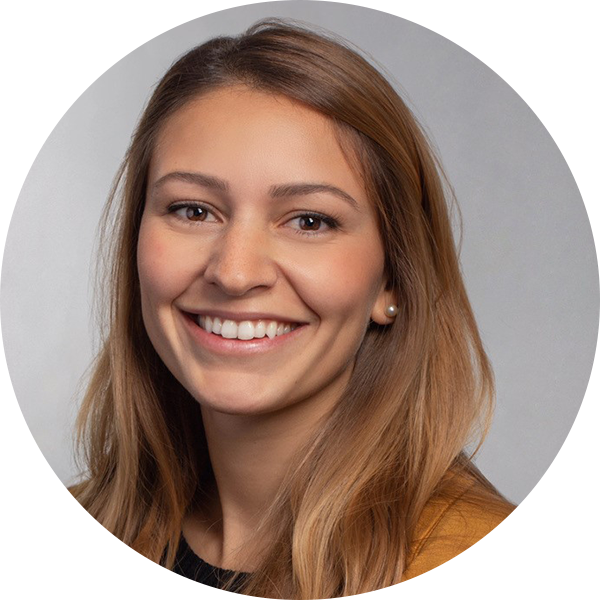
Yale University
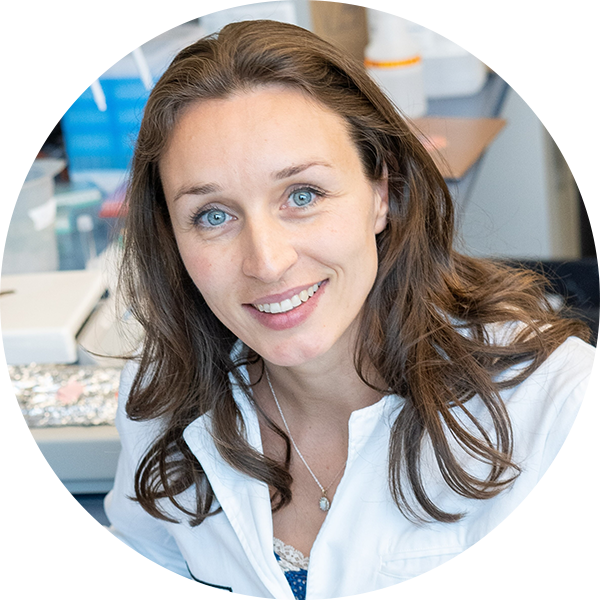
University of British Columbia
Rockefeller University
Val d’Hebron Hospital Campus
Michigan State University
New York University
GIMM
GIMM, Lisbon School of Medicine
Duke University Medical Center
ISCTE-IUL and London School of Economics
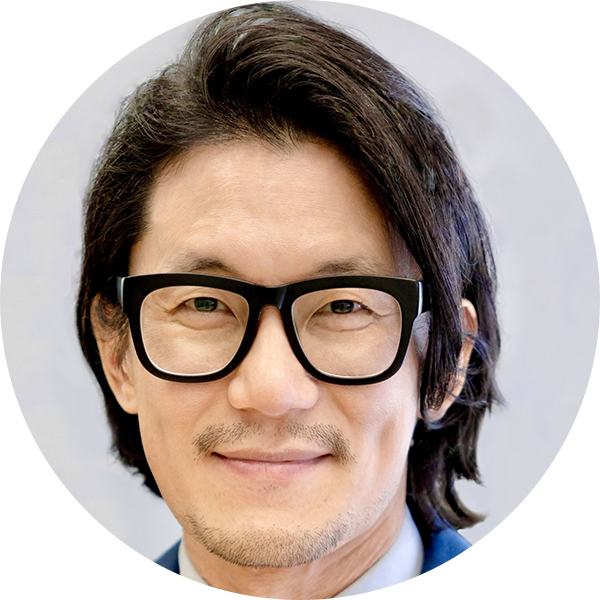
National University of Singapore
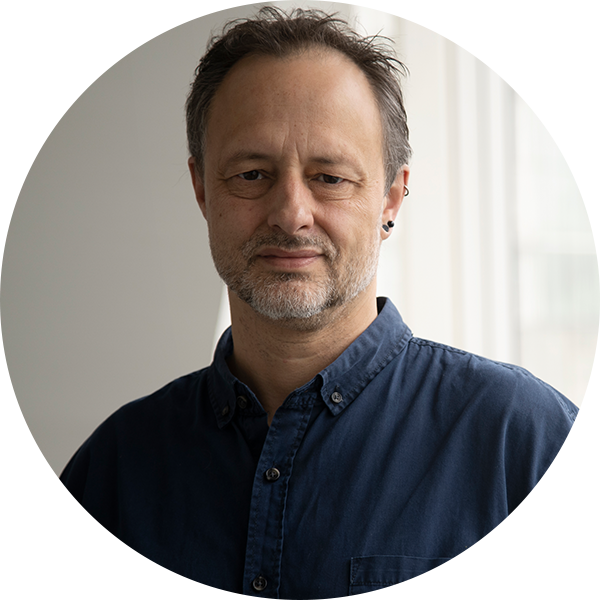
GIMM, Lisbon School of Medicine
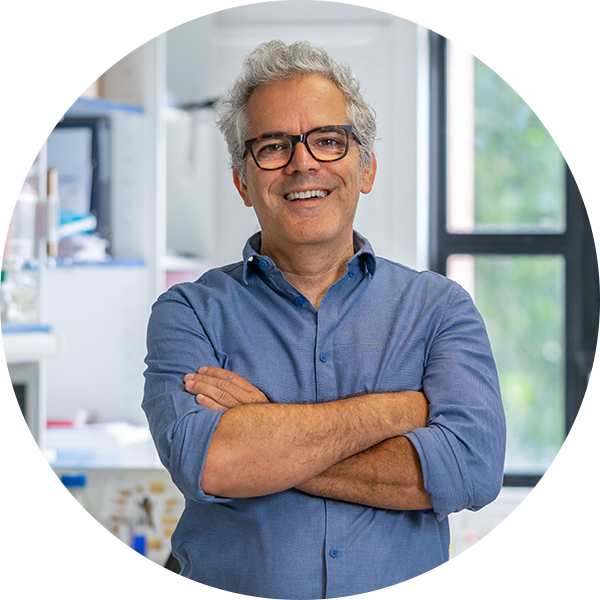
GIMM, Lisbon School of Medicine

Head of the Division of Literacy, Health and Wellbeing, and Coordinator of the National School Health Program at the Directorate of Disease Prevention and Health Promotion Services
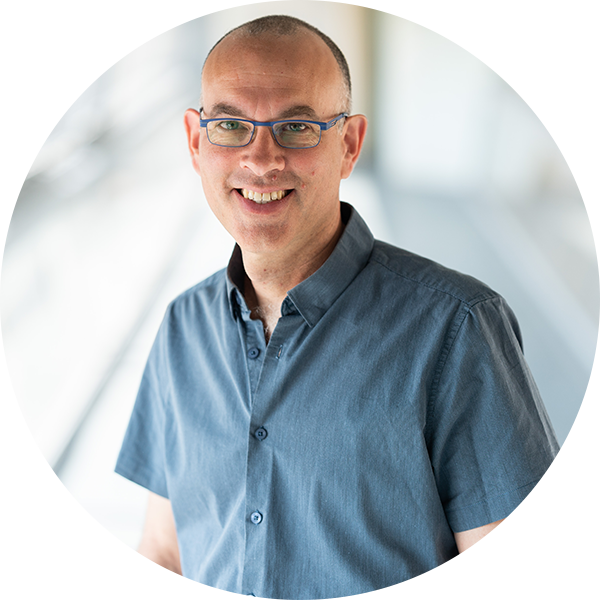
Technion – Israel Institute of Technology
University of Oxford
iBET
Católica Medical School, Católica Biomedical Research Centre
Faculdade de Ciências e Tecnologia Universidade Nova de Lisboa
Champalimaud Foundation
Invited guests
Scientific Organizing Committee
Public Day Scientific Advisors
Speaker

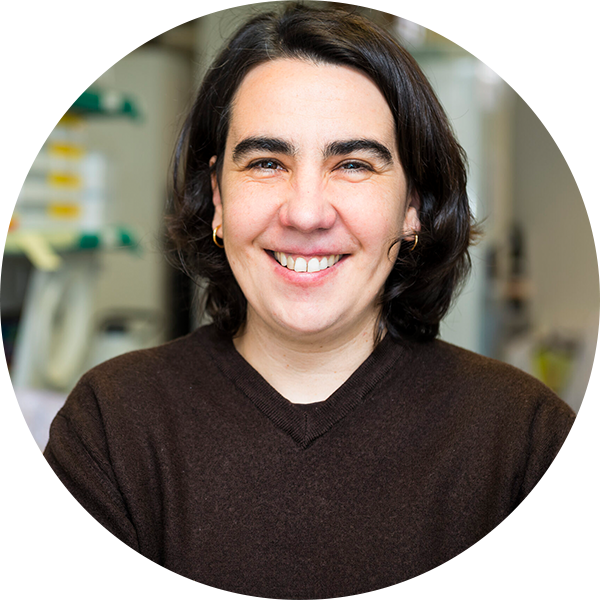
Maria Mota
GIMM, Lisbon School of Medicine
Maria M. Mota is a biologist and leading malaria researcher, currently GIMM’s CEO. She earned her degree in Biology and a Master’s in Immunology from the University of Porto and completed a PhD in Molecular Parasitology at University College London. After postdoctoral work with Vitor Nussenzweig at NYU, she returned to Portugal to lead malaria research at the Gulbenkian Institute of Science and later became a principal investigator and Executive Director of iMM. Her work investigates both liver and blood stages of Plasmodium infection. An EMBO member and former HHMI international researcher, she has received major honors including the Pessoa Prize and national decorations for scientific merit. She is also an advocate for gender equality and public engagement in science.
Speaker
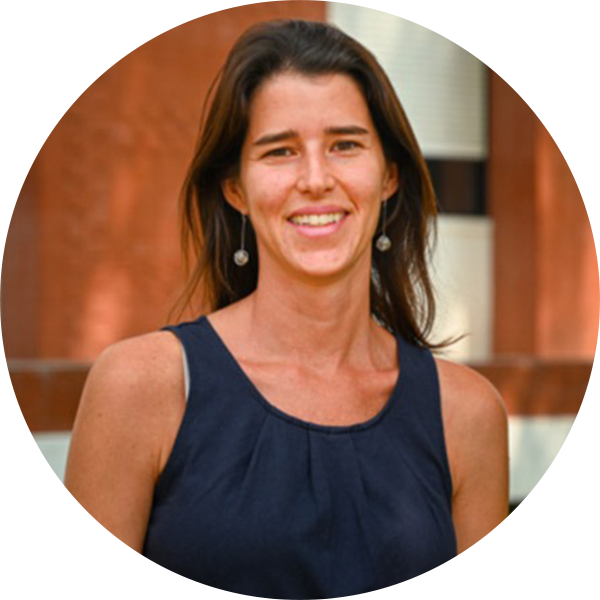
Carolina Lucas
Yale University
Carolina Lucas is an Assistant Professor of Immunobiology and member of the Center for Infection and Immunity at Yale University. She earned her Ph.D. from UFRJ/ETH in Brazil and Switzerland and completed postdoctoral training in Yale’s Akiko Iwasaki lab, studying emerging viruses including Zika, CHIKV, and SARS CoV 2. Her research bridges clinical and basic immunology, focusing on primary immunodeficiencies, autoinflammatory diseases, and immune dysregulation in infection and vaccination. During the COVID 19 pandemic, Lucas helped coordinate longitudinal immune profiling of hospitalized patients, identifying maladapted immune responses that correlate with severe disease and advancing understanding of host virus dynamics. The Lucas Lab studies human immune responses to emerging viruses and vaccines across age groups, especially older adults, to inform new therapies and vaccination strategies.
Speaker
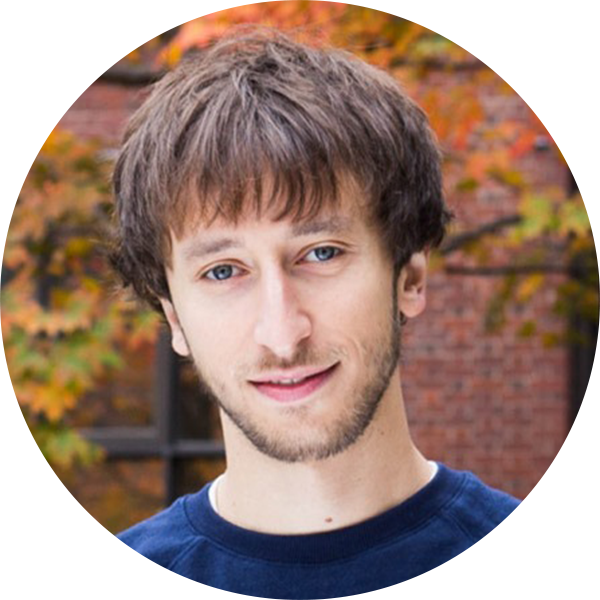
Carolina Tropini
University of British Columbia
Carolina Tropini is an Assistant Professor at the University of British Columbia (Vancouver Campus) in the School of Biomedical Engineering and the Department of Microbiology and Immunology. Her research integrates bioengineering, microbiology, and physics to study how physical constraints and spatial structure shape microbial behavior in the human gut and other host-associated ecosystems. A Paul Allen Distinguished Investigator, Johnson & Johnson Women in STEM2D Scholar, CIFAR Fellow, and Michael Smith Foundation Scholar, she earned her B.Sc. and Ph.D. in biophysics at Stanford and completed postdoctoral training in microbiology there. The Tropini lab combines imaging, microfluidics, and computational tools to engineer microbes and develop precision approaches to improve human health.
Speaker
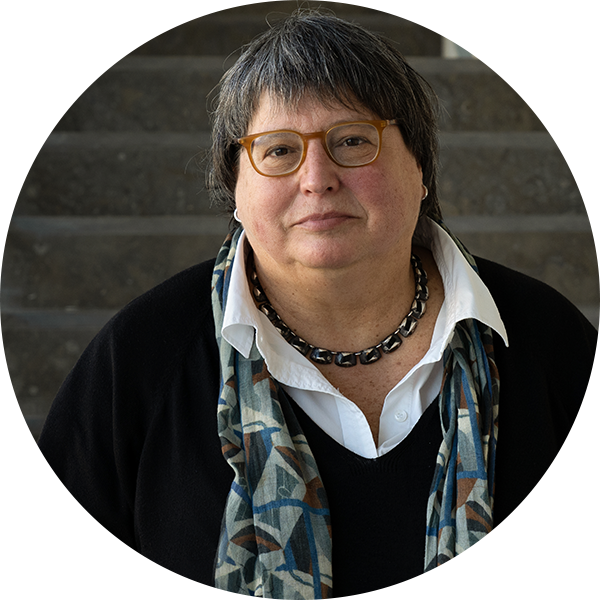
Charles Rice
Rockefeller University
Charles Rice is an American virologist and Professor at Rockefeller University in New York, best known for his groundbreaking work on the hepatitis C virus. He shared the 2020 Nobel Prize in Physiology or Medicine for discoveries that enabled reliable blood screening and the development of curative antiviral therapies, fundamentally transforming the understanding and treatment of viral hepatitis. Born in 1952 in Sacramento, California, Rice earned a B.S. in zoology from the University of California, Davis, and a Ph.D. in biochemistry from Caltech, where he began his lifelong focus on RNA viruses. In addition to the Nobel Prize, Rice has received many of the field’s highest honors, including the Lasker-DeBakey Clinical Medical Research Award, the Robert Koch Prize, and the InBev-Baillet Latour Health Prize. A member of the U.S. National Academy of Sciences and Fellow of the AAAS, he has authored more than 400 scientific publications and is widely recognized as one of the leading figures in modern virology.
Speaker
Daniel Mucida
Rockefeller University
Daniel Mucida is a Professor and Howard Hughes Medical Institute Investigator at The Rockefeller University, leading the Laboratory of Mucosal Immunology. His research explores how the immune system of the intestinal mucosa balances defence against pathogens with tolerance to beneficial microbes and dietary antigens — fundamental for health and disease. Mucida’s work has revealed key mechanisms of immune activity and tolerance in the gut, with implications for understanding food allergies, inflammatory bowel disease, barrier immunity, neuro-immune communication, and colorectal cancer. Born in Brazil, he earned his B.S. in biochemistry and immunology from the Federal University of Minas Gerais and his Ph.D. jointly from the University of São Paulo and New York University, followed by postdoctoral work at the La Jolla Institute for Allergy and Immunology. Since joining Rockefeller in 2010, he has risen to full professor and been recognised with awards including the NIH Director’s Transformative Research Award and the Pershing Square Sohn Prize.
Speaker
Jeffrey Barrick
Michigan State University
Jeffrey Barrick is a Professor at Michigan State University and a leader in experimental evolution and microbial genomics. Trained in applied molecular evolution and bacterial genetics, he completed postdoctoral work with Richard Lenski and Charles Ofria studying genome evolution and artificial life. He is widely known for his role in the long-term E. coli evolution experiment, tracking over 75,000 generations to reveal mechanisms of adaptation and mutation. Previously a professor at the University of Texas at Austin, he led major federally funded projects engineering insect symbionts. A fellow of the American Academy of Microbiology and recipient of NIH and NSF CAREER honors, Barrick studies microbial evolution and microbiome engineering, especially in honey bees and aphids.
Speaker
Joy Bergelson
New York University
Joy Bergelson is a Professor of Biology at New York University. A leading researcher in the fields of plant evolution, genetics and interactions between plants and microbes, her work explores how plants interact with the diverse communities of microorganisms that live in and around them, from harmful pathogens to the beneficial members of their microbiome. Using evolutionary genomics, large-scale laboratory experiments and field studies, her research has helped uncover the complex forces that shape relationships between plants, pathogens and microbial communities. Her laboratory has been particularly influential in establishing Arabidopsis thaliana as a powerful model for studying natural genetic variation, the evolution of disease resistance and the ways plants control their microbiomes. Her work has also challenged long-held assumptions about the evolutionary “arms race” between plants and their pathogens, revealing a more nuanced picture of how resistance evolves in nature.
Speaker
Karina Xavier
GIMM
Karina Xavier is a Group Leader at GIMM, where she studies inter-species bacterial communication and its impact on the mammalian gut microbiota. She earned her PhD from Instituto de Tecnologia Química e Biológica António Xavier in 1999, working on carbohydrate metabolism in Archaea, and later developed her research on bacterial signaling during a postdoc at Princeton University (2000–2006), where she demonstrated that autoinducer-2 enables interspecies quorum sensing. Her group later established an animal model showing that manipulating quorum sensing in the mouse gut can reshape microbiota composition. More recently, her work revealed that gut bacteria can rapidly evolve in response to diet, affecting host physiology. Her current research focuses on microbiota recovery after antibiotics and dietary imbalance. She received a Howard Hughes Medical Institute International Early Career Award (2012) and a Human Frontier Science Program grant (2024).
Speaker
Luísa Figueiredo
GIMM, Lisbon School of Medicine
Luísa Figueiredo is a Group Leader at GIMM and an invited teacher at Lisbon School of Medicine. She studies host–pathogen interactions with a focus on Trypanosoma brucei, the parasite that causes sleeping sickness. She earned her PhD at the Institut Pasteur and completed postdoctoral training at Rockefeller University. Her lab investigates the molecular mechanisms that enable parasites to evade host defenses, combining CRISPR, single-cell approaches, and genetic screens to study gene regulation and parasite adaptation within host tissues. An EMBO member since 2023, Figueiredo leads an international research team and is supported by funding from the ERC, HHMI, EMBO, and the La Caixa Foundation, advancing fundamental knowledge in parasite biology.
Speaker
Marco A. Coelho
Duke University Medical Center
Marco A. Coelho is an Assistant Research Professor in the Duke University Department of Molecular Genetics and Microbiology, EUA. He earned his Ph.D. in Molecular Genetics from NOVA University Lisbon and currently studies how pathogenic fungi and their closely related environmental relatives evolve, with a primary focus on the yeast genus Cryptococcus, which includes species that can cause life-threatening disease in humans. His research integrates comparative genomics with experimental approaches to examine how genome architecture, sexual reproduction, and recombination shape adaptation. A central focus of his current work is to clarify how environmental lineages occupy specific ecological niches, and how shifts in habitat and selective pressures can shape traits that support survival under host-like stresses. Through collaborative initiatives that combine genome sequencing with quantitative phenotyping and experimental evolution, he is working to link genomic variation to stress tolerance and other virulence-associated traits, with the broader goal of expanding known yeast diversity and improving our ability to anticipate and track emerging fungal threats.
Speaker
Matthew Chang
National University of Singapore
Matthew Chang is Executive Director of the National Centre for Engineering Biology in Singapore and holds the Provost’s Chair Professorship of Biochemistry at the Yong Loo Lin School of Medicine, National University of Singapore. He also directs several major initiatives, including the Singapore Consortium for Synthetic Biology and the NUS Synthetic Biology for Clinical and Technological Innovation. His research focuses on engineering biology to design autonomous, programmable cells with applications in biomedicine and biomanufacturing, having made significant contributions to the field of synthetic biology. He is a co-founder of the Global Biofoundry Alliance and the Asian Synthetic Biology Association, and serves as Co-Chair of the World Economic Forum’s Global Future Council on Generative Biology. His scientific achievements have been recognized with many accolades, including the National Research Foundation of Singapore’s Investigatorship Award and the Presidential Award from the Korean Federation of Science and Technology Societies.
Speaker
Miguel Soares
GIMM, Lisbon School of Medicine
Miguel Soares is a Group Leader at GIMM and a Professor at Lisbon School of Medicine. He trained in biology and cellular biology at the University of Louvain, earning a PhD in 1995, and conducted research at Harvard Medical School with Fritz H. Bach. His work uncovered tissue-protective mechanisms in immunity, including the role of heme oxygenase-1 and carbon monoxide in preventing inflammatory damage. Since 2004, his lab in Portugal has pioneered the concept of disease tolerance, revealing how heme, iron metabolism, and host–microbe interactions protect against malaria and sepsis. Ranked among the world’s top 2% scientists, Soares studies organism-level regulation of inflammation to develop new therapies for immune-mediated disease. He is an EMBO member and recipient of major awards including the Pfizer Prize and the Marian Koshland Award. His research is supported by competitive funding from the ERC, NIH, Gates Foundation, and FCT, among others.
Speaker
Roy Kishony
Technion – Israel Institute of Technology
Roy Kishony is the Marilyn and Henry Taub Professor of Life Sciences at the Technion – Israel Institute of Technology, with affiliations in Biology, Biomedical Engineering and Computer Science. Trained in physics and mathematics, he moved into biology during his postdoctoral work at Princeton and Rockefeller, later becoming Full Professor at Harvard Medical School. A pioneer at the interface of quantitative biology and biomedicine, his research focuses on antimicrobial resistance and multi-drug therapies. His lab has uncovered key mechanisms that limit resistance and developed innovative methods to track bacterial evolution. More recently, he explores the use of AI for transparent and verifiable scientific research.
Speaker
Yasmine Belkaid
Institut Pasteur
Yasmine Belkaid is President of the Institut Pasteur in Paris and head of the Metaorganism laboratory. Born in Algeria in 1968 and trained in biochemistry, she earned her PhD at the Institut Pasteur before completing postdoctoral research at the U.S. National Institutes of Health. She went on to lead major research programs in Cincinnati and at the National Institute of Allergy and Infectious Diseases, where she founded the NIAID Microbiome Program. Her work uncovered fundamental roles of the microbiota and diet in forming immune responses, tissue homeostasis, and protection against infection, and explores links between immunity, development, and maternal–child health. A member of multiple national academies and Fellow of the Royal Society, she has received major international honors including the Lurie Prize, the Robert Koch Award, and the Sanofi-Institut Pasteur Award.
Speaker
Miguel Prudêncio
GIMM, Lisbon School of Medicine
Miguel Prudêncio is a Group Leader at GIMM and Principal Investigator at the Lisbon School of Medicine. He completed his PhD at the University of East Anglia, UK, and a postdoc at the Leiden University, the Netherlands. His research focuses on the liver stage of Plasmodium infection and its potential for anti-malarial intervention. His interests include unveiling novel aspects of the biology and immunology of Plasmodium infection, identifying drugs with antiplasmodial activity, establishing new experimental methodologies to study the malaria parasite, and contributing to the development and optimization of whole-sporozoite vaccination against malaria. He is also a co-founder of the spin-off RoPlaVac, was involved in setting up iMM’s Task Force for SARS-CoV-2 diagnostics, and has a keen interest on science communication, particularly in what relates to vaccine literacy.
Speaker
Francisco Garcia Morales
Val d’Hebron Hospital Campus
Francisco Garcia Morales is the Director of Communications, Corporate Strategy and Citizens Advice, at Vall d’Hebron Barcelona Hospital Campus. Francisco Garcia holds degrees in Journalism and English Philology and completed the IESE Advanced Management Program for Healthcare Institutions. With nearly 25 years of experience in communications – ten of them focused on health and research – he has served as Communications Director at Vall d’Hebron Research Institute and Head of Press and Institutional Relations at Vall d’Hebron Campus. He is currently Communications Director at Vall d’Hebron, leading a dedicated team to ensure the institution and its professionals are recognized as a leading healthcare center in Catalonia, Spain, and Europe.
Speaker
Marta Entradas
ISCTE-IUL and London School of Economics
Marta Entradas is Assistant Professor at ISCTE-IUL and Visiting Fellow at the London School of Economics and Political Science. Marta’s research focuses on public opinion about science and technology, public trust in science and scientists, science communication, and research integrity issues. She is PI of various funded projects, coordinating international comparative studies. During Covid-19 she studied public attitudes and perceptions about the virus and vaccination. She received her PhD in Science and Technology Studies (STS) from University College London (UCL) (2011), was a Marie Curie Fellow (MSCA) at LSE and a Fulbright Scholar at Cornel University (NY). She was recognized with the ‘European Young Researcher Award’ (EYRA) (2016) by EuroScience, and by Ciência Viva in the ‘Women in Science’ book.
Speaker
Gisela Leiras
Head of the Division of Literacy, Health and Wellbeing, and Coordinator of the National School Health Program at the Directorate of Disease Prevention and Health Promotion Services
Gisela Leiras is a Public Health Physician and Head of the Division of Literacy, Health and Wellbeing at the Directorate-General of Health, where she coordinates the National School Health Programme. She is a member of the WHO Action Network on Measuring Population and Organizational Health Literacy (M-POHL) and coordinated the development of the National Health Literacy and Behavioural Sciences Plan, having also been part of the DGS Working Group on Social Mobilisation, Risk Perception and Behavioural Change.
Throughout her career, she has served as a member of the Clinical and Health Council of ACES Póvoa de Varzim / Vila do Conde and as Deputy Clinical Director of Primary Healthcare at the homonymous ULS. She has also worked as a WHO consultant in the area of Public Health Emergencies and was a member of the National COVID-19 Task Force.
Her main areas of interest include health literacy and behavioural sciences, health planning, and health inequalities.
Speaker
António Roldão
iBET
António Roldão is Head of the Cell-Based Vaccines Development Laboratory and Coordinator of the Late-Stage R&D and Bioproduction Unit at iBET, as well as a Senior Researcher at iNOVA4Health. With over 20 years of experience in bioprocess engineering and animal cell technology, he focuses on developing innovative biopharmaceuticals for human and animal health. His research combines synthetic biology, systems biology and advanced bioprocessing to create production platforms for vaccines and viral vectors used in gene therapy. He has contributed to vaccine candidates targeting diseases such as influenza, malaria and COVID-19, while advancing new approaches for viral vector manufacturing. He also collaborates with international academic and industry partners and helps train the next generation of researchers.
Speaker
Maria João Amorim
Católica Medical School, Católica Biomedical Research Centre
Maria João Amorim is Associate Professor at Católica Medical School and Principal Investigator of the Cell Biology and Viral Infection laboratory at the Católica Biomedical Research Centre (CBR), Universidade Católica Portuguesa, where she also serves as Vice-Director. She trained in virology at the University of Cambridge and carried out postdoctoral research at Cambridge and the MRC National Institute for Medical Research before establishing her independent laboratory in Portugal in 2012. Her research explores how viruses interact with host cells, using influenza A, influenza B and SARS-CoV-2 as model systems. Her team uncovered new mechanisms underlying influenza genome assembly and developed saliva-based diagnostic methods for COVID-19. Her work has been supported by the European Research Council, the “la Caixa” Foundation and the Portuguese Foundation for Science and Technology (FCT). She is also recognised for her contributions to science communication on virology, emerging viruses and vaccination.
Speaker
Paula Gonçalves
Faculdade de Ciências e Tecnologia Universidade Nova de Lisboa
Paula Gonçalves is Full Professor at NOVA FCT, where she teaches courses in the fields of Molecular Genetics and Microbiology and coordinates the NOVA Master’s in Computational Biology and Bioinformatics. She obtained her PhD in Natural Sciences from the Vrije Universiteit Amsterdam, working on yeast molecular genetics and transcriptional regulation, and joined NOVA FCT in 1999. In 2009, she co-founded the Yeast Genomics Lab @ NOVA. Her current research focuses on the impact of horizontal gene transfer on the evolution of metabolism in yeasts.
Speaker
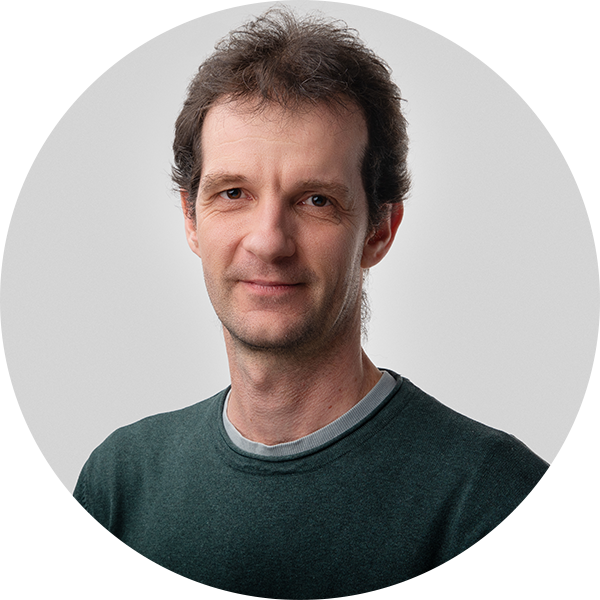
Klaas van Gisbergen
Champalimaud Foundation
Klaas van Gisbergen completed his PhD studies at the VU University Medical Center in Amsterdam, Netherlands under the supervision of Drs Yvette van Kooyk and Theo Geijtenbeek. Next, he worked as a postdoc in the lab of Dr Rene van Lier at the Academic Medical Center in Amsterdam, Netherlands. He visited the lab of Dr Axel Kallies at the WEHI in Melbourne, Australia before returning to Amsterdam, Netherlands at Sanquin Research to setup his lab focusing on how T cells provide protection against viral infection. He established the Tissue Immunity lab at Champalimaud Research, Lisbon, Portugal in the Spring of 2023, where he has set out to work on T cell differentiation in tumor and infection settings.
Invited guests
Emma Yee
Cell Press
Emma Yee is an editor at Cell, where she has worked for the past five years, covering a broad range of topics in experimental biology and engineering. Trained as a chemical engineer, she completed her PhD at Massachusetts Institute of Technology, developing molecular methods and devices for diagnosing infectious diseases. Before joining Cell, her research spanned diverse areas including motor proteins, biosensors, and jet engine combustion. Her editorial work focuses on identifying emerging scientific trends and engaging with researchers on new ideas and challenges across disciplines.
Invited guests
Emily White
Nature Microbiology
Emily White is Chief Editor at Nature Microbiology. She studied Microbiology at the University of Manchester and completed a PhD focused on interactions between the mammalian gut microbiota and the helminth parasite Trichuris muris. She joined Nature Microbiology in 2016 as microbiome editor, later overseeing a broad range of microbiology topics before becoming Chief Editor in 2023. She joins GIMM Fest motivated by the opportunity to bring together diverse perspectives on how microbiology can help address today’s global challenges, a mission closely aligned with the editorial vision of Nature Microbiology. For Emily, strengthening the connection between science and society is essential to maximising the impact of scientific research.
Invited guests
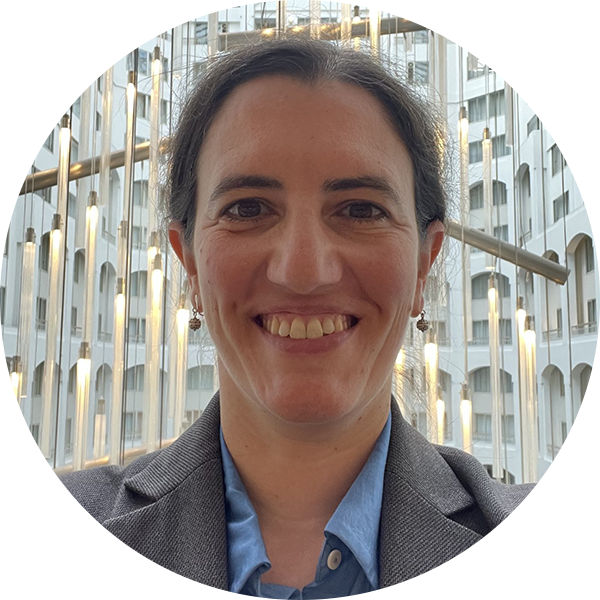
Joana Osório
Science Magazine
Joana Osório is a Senior Editor at Science, where she handles Perspective articles in biomedical sciences, microbiology, cancer, immunology, molecular biology, evolution, and ecology. She holds a Bachelor’s degree in Biology from the University of Lisbon and a PhD in Neuroscience from Université Paris-Saclay (formerly the University of Paris 11). Before joining Science, she built a career as an editor and science communicator. Over the past 18 years, she has handled research, review, and commentary articles for leading scientific journals, including Nature and Science, and served as Chief Editor of Nature Reviews Endocrinology. She has also held science communication and strategy roles at Cancer Research UK and Oxford PharmaGenesis. Her professional interests include open science, research integrity, diversity in science, and combating misinformation.
Scientific Organizing Committee
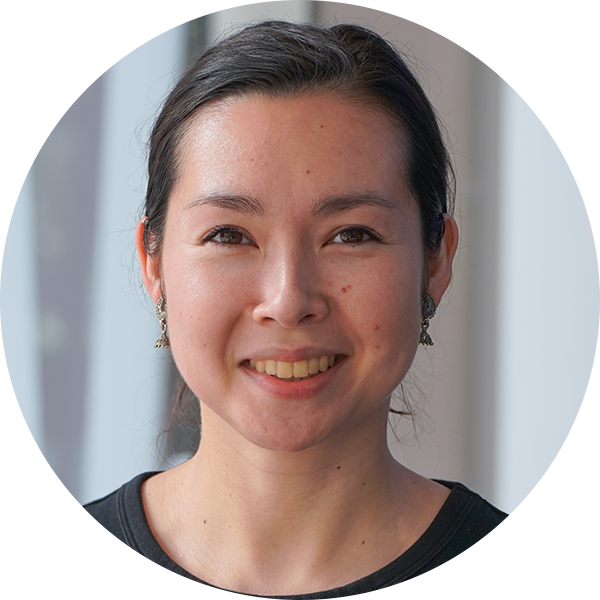
Kevin Foster
University of Oxford
Kevin Foster is Chair of Microbiology at the Sir William Dunn School of Pathology, University of Oxford. An evolutionary biologist by training, he earned his undergraduate degree at Cambridge and a PhD from the University of Sheffield, and previously led a lab at Harvard as a Bauer Fellow. His research explores how bacteria compete, cooperate, and persist within complex microbiome communities, with the goal of predicting and manipulating gut ecosystems to improve health. Foster’s lab combines ecological theory with experimental microbiology to study microbial interactions, including toxin-mediated competition and ecological networks, helping reveal the rules that govern evolving microbial communities.
Scientific Organizing Committee
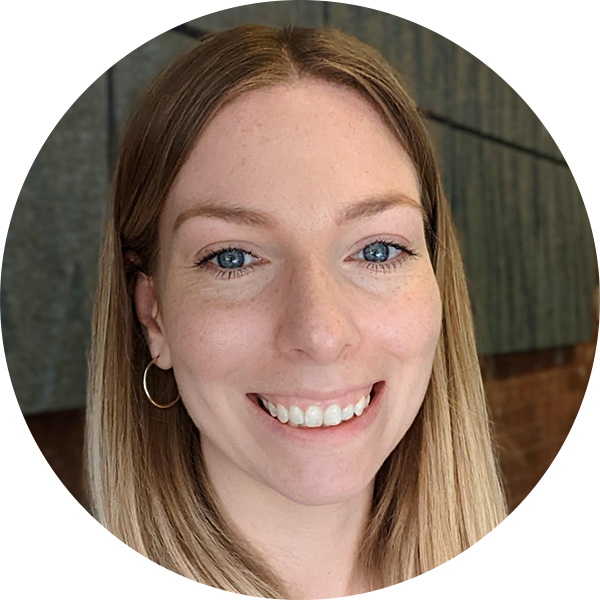
Isabel Gordo
GIMM
Isabel Gordo is a Group Leader at GIMM, where she studies bacterial evolution in the context of the gut microbiome. Trained in Physics, she earned a PhD in Evolutionary Genetics from the University of Edinburgh in 2002 and conducted postdoctoral research at the Instituto Gulbenkian de Ciência, becoming a principal investigator in 2004. Her work examines how bacteria adapt to stressful environments such as antibiotics and immune pressures, and she currently holds an ERC Advanced Grant to study intrahost evolution in health and disease. Gordo’s lab combines theoretical and experimental approaches using E. coli and mouse models to understand the forces shaping microbial diversity and resistance. She founded the Portuguese Society for Evolutionary Biology and is an elected member of EMBO and the European Academy of Microbiology.
Scientific Organizing Committee
Waldan Kwong
GIMM
Waldan Kwong is a Group Leader at the GIMM, where he studies the ecology and evolution of microbial symbiosis. He earned his PhD at Yale, helping establish bees as a model for gut microbiome research, and completed postdoctoral work at the University of British Columbia investigating coral microbiomes using genomics and transcriptomics. Since joining Gulbenkian in 2022, his lab examines the genetic, evolutionary, and ecological foundations of microbe–microbe and host–microbe interactions, using social bees as a primary model. His group develops genetic tools and genomic resources to understand how microbial communities function and support bee health, with implications for pollinator conservation and agriculture. Kwong has published over 40 peer-reviewed papers and is supported by FCT, ERC, and EMBO.
Scientific Organizing Committee
Ilana Gabanyi
GIMM
Ilana Gabanyi is a Group Leader at GIMM studying communication between gut bacteria and the nervous system. She completed her undergraduate and master’s training at the University of São Paulo and earned a PhD at Rockefeller University under Daniel Mucida, investigating neuroimmune interactions in the gut. During her postdoctoral work at the Pasteur Institute in Paris, she showed that microbe-derived molecules can reach the brain and influence neuronal activity. Her NeuroBiota Lab now explores how bacterial signals shape brain function across age and sex, combining brain imaging, microbial genomics, and mouse models to uncover mechanisms of the microbiota–gut–brain axis.
Public Day Scientific Advisors
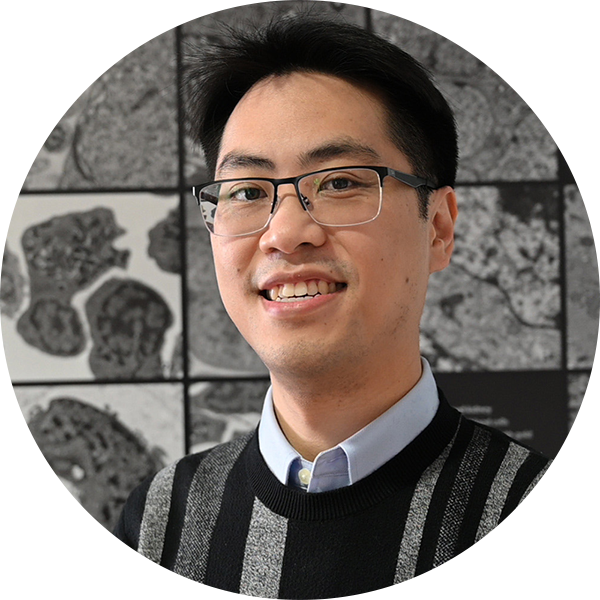
Marco Fumasoni
GIMM
Marco Fumasoni is a Group Leader at GIMM, where he studies how fundamental cellular processes evolve. Trained as a molecular geneticist, he is interested in the interplay between genome maintenance mechanisms and evolutionary forces in shaping cell biology. And in understanding how cells replicate damaged DNA and how these processes influence genome evolution and drive cell function. Marco Fumasoni earned his PhD in Molecular Oncology from the European School of Molecular Medicine (IFOM, Italy) and completed postdoctoral training at Harvard University, where he combined experimental evolution with quantitative approaches to explore the dynamics of genome change. In his research work he integrates molecular, cellular, experimental, and computational methods to understand how essential cellular mechanisms evolve.
Public Day Scientific Advisors
Ana Espada de Sousa
GIMM
Lisbon School of Medicine
Ana Espada de Sousa is a Group Leader at GIMM, and a Professor at Lisbon School of Medicine, leading a research program integrating clinical and basic science to uncover mechanisms of immune failure and recovery. After completing her formal training as an MD Internist and a subsequent PhD in HIV/AIDS immunopathogenesis, Ana Espada de Sousa has pursued a full-time research career dedicated to human immunodeficiencies. Her research group integrates clinical and basic investigators to foster the scientific development of MDs and biomedical researchers through innovative approaches to immunological reconstitution. She served as President of the Portuguese Society for Immunology (SPI, 2009-12) and as a Member of the Executive Board of the Portuguese National Ethics Committee for Clinical Research (CEIC, 2017-24). Among her scientific contributions, she helped establish hyperimmune activation as a key determinant of HIV disease progression. Her work represents a reference source for the study of HIV-2 infection, a naturally occurring model of attenuated HIV disease. Other relevant areas of research have been the development of regulatory T cells in the human thymus, naïve CD4 T cell homeostasis, and inborn errors of immunity.